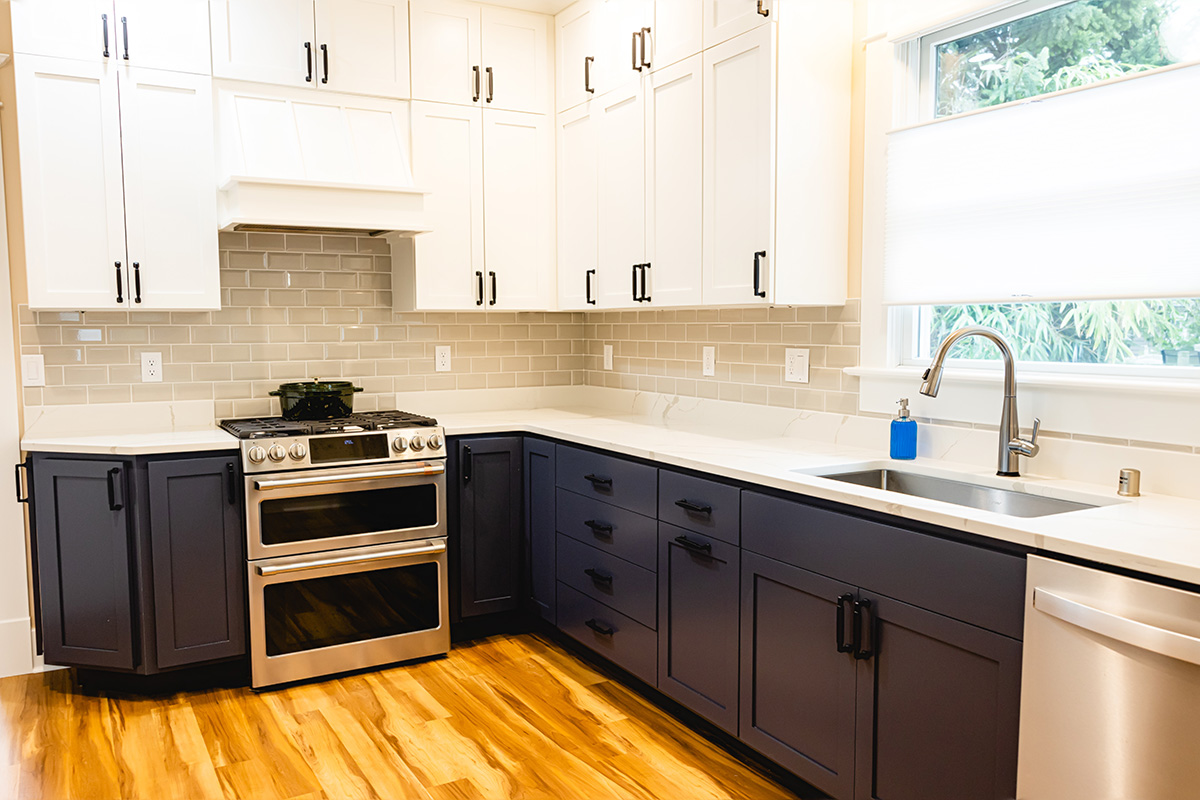
Modern Kitchen Remodeling in Marysville, WA: What Actually Makes a Kitchen Work
A modern kitchen isn’t defined by trends, it’s defined by how it works for you.
The best kitchens feel effortless. You move through them without thinking. Everything is where it should be. Light falls in the right places. Materials feel good to the touch. And over time, the space continues to support your daily routines without frustration.
If you’re considering a kitchen remodel in Marysville, the goal isn’t just to update the look. It’s to create a space that feels intuitive, comfortable, and built around the way you live.
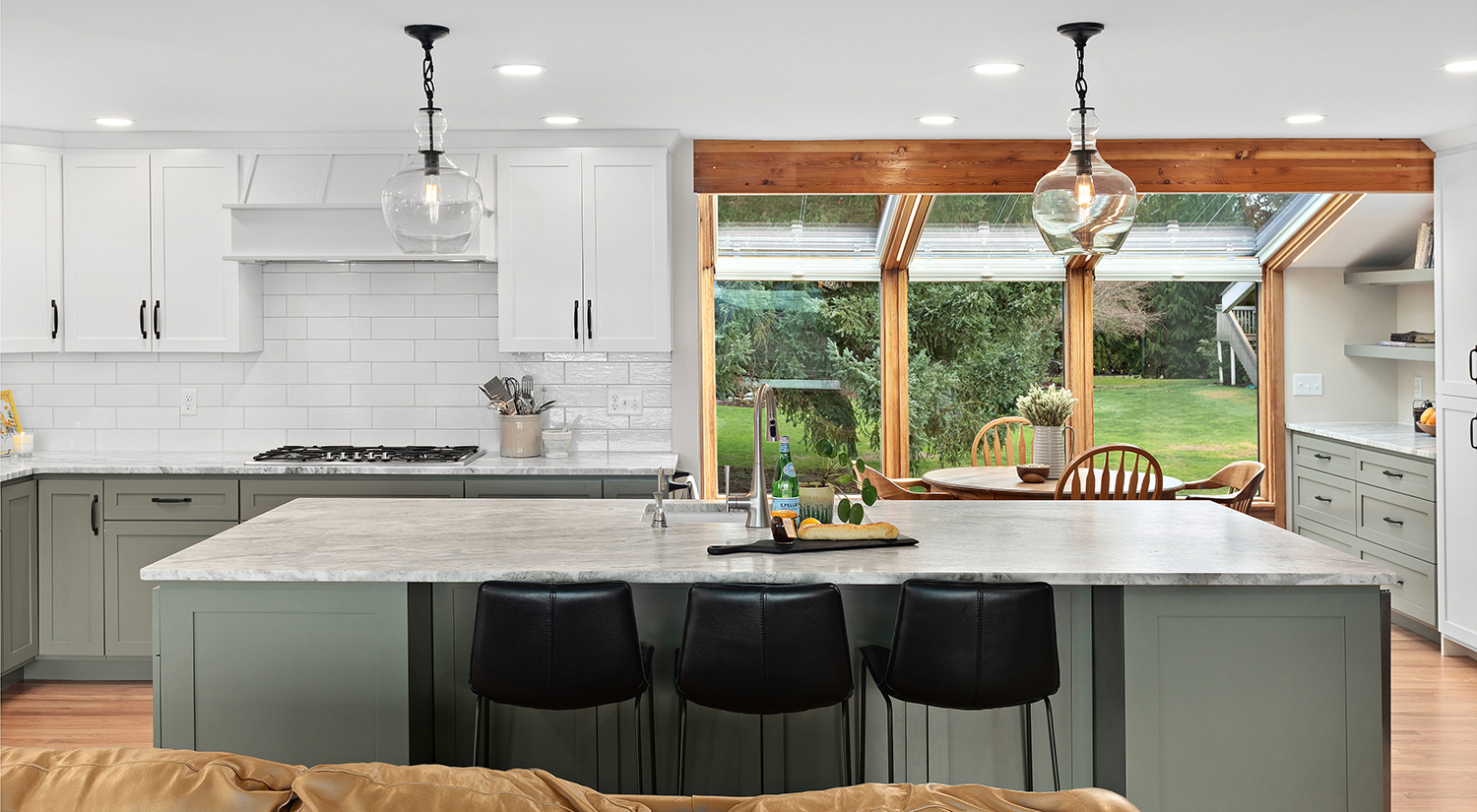
What “Modern” Really Means in Kitchen Design
Modern kitchens aren’t about stark minimalism or chasing what’s popular right now. At their best, they balance clarity, warmth, and purpose.
But more importantly, modern design prioritizes how a space feels to live in, not just how it looks in a photo
You’ll often see:
-
- Clean, intentional lines without unnecessary ornamentation
- A thoughtful mix of natural materials and refined finishes
- Open sightlines that connect the kitchen to surrounding spaces
- Storage that reduces visual clutter and simplifies daily use
Start with Function—Not Finishes
One of the most common mistakes in kitchen remodeling is focusing on materials too early.
Before choosing cabinetry styles or countertop surfaces, it’s worth stepping back and asking:
- How do you actually use your kitchen day to day?
- Where do bottlenecks or frustrations happen now?
- Do you cook often, entertain frequently, or need space for multiple people at once?
A well-designed kitchen begins with workflow, movement, and usability. Finishes should support that—not define it.
The Role of Layout and Flow
The layout of your kitchen has the biggest impact on how it performs.
Small adjustments—like shifting an island, widening a walkway, or rethinking appliance placement—can completely change how the space feels.
In modern kitchen remodeling, we often look at:
- Clear pathways between key work zones
- Sightlines to adjacent living areas or outdoor spaces
- Opportunities to open up or reconfigure existing walls
- Creating space for gathering without disrupting function
When the layout is right, everything else falls into place more naturally.
Cabinetry That Works as Hard as It Looks
Cabinetry is one of the most important elements in a modern kitchen—not just visually, but functionally.
Well-designed cabinets help eliminate clutter and make everyday tasks easier.
Features worth considering:
- Deep drawers instead of lower cabinets for easier access
- Pull-out storage for pantry items and cookware
- Integrated or minimal hardware for a cleaner look
- Built-in organizers that keep everything in its place
The goal is simple: everything should be easy to reach, easy to use, and easy to put away.
Lighting That Supports the Way You Live
Lighting is often overlooked, but it plays a huge role in how your kitchen feels throughout the day.
A thoughtful lighting plan layers different types of light:
- Task lighting for prep and cooking
- Ambient lighting for overall brightness
- Accent or decorative lighting to add warmth and depth
Done well, lighting helps your kitchen transition from a functional workspace during the day to a more relaxed, inviting environment in the evening.
Materials That Feel Timeless (Not Trend-Driven)
Modern kitchens tend to favor materials that age well and feel natural over time.
Instead of chasing trends, consider:
- Durable surfaces that hold up to daily use
- Finishes that develop character rather than wear out
- A balanced palette that won’t feel dated in a few years
This is what creates a kitchen that still feels right long after the remodel is complete.
How a Thoughtful Kitchen Design Comes Together
A well-designed kitchen doesn’t come from isolated decisions. It’s the result of a connected approach—where layout, materials, and construction are considered together from the start.
It begins with understanding how you use your space day to day—what’s working, what isn’t, and where small changes could have the biggest impact. From there, the design takes shape around flow, function, and how the kitchen connects to the rest of your home. Materials and details are layered in with intention, supporting both the look and the way the space performs.
Bringing that vision to life requires the same level of coordination. When design and construction are aligned early, the process moves more smoothly, decisions are clearer, and the end result feels cohesive rather than pieced together.
For homeowners in Marysville and throughout Snohomish County, VanderBeken Remodel brings this entire process together, integrating architecture, interior design, and construction into a single, unified approach. Every project is shaped around the home and the people living in it, with a focus on clarity, communication, and long-term livability.
Hear from Homeowners
Discover what homeowners throughout Snohomish County have to say about their remodeling experience, from the design process to the finished kitchen.
Thinking About Your Own Kitchen?
If you’re starting to explore what’s possible for your space, the best place to begin is with how you want your kitchen to function and feel. From there, the right design (and the right team) can help bring it to life in a way that feels natural, intentional, and built around you.
At VanderBeken Remodel, we help homeowners in Marysville and throughout Snohomish County explore ideas, evaluate options, and design kitchens that feel as good to live in as they look.
When you’re ready to take that first step, we’re here to guide you through it.
Frequently Asked Questions
What modern kitchen styles can you design?
At VanderBeken Remodel, we approach modern kitchen design as something to be shaped around your home and how you live, not a one-size-fits-all style. Our role is to help you define what “modern” means for your home and how you live.
That could mean:
- A warm contemporary kitchen with natural wood tones and layered textures
- A contemporary farmhouse that blends clean lines with more familiar, inviting elements
- A minimal, architectural kitchen with refined materials and a more streamlined aesthetic
What matters most is creating a space that feels cohesive with your home and continues to feel right years from now—not just what’s trending today.
What should I look for in contemporary kitchen cabinets?
Cabinetry plays a defining role in how a modern kitchen looks, feels, and functions day to day.
We guide homeowners to focus on three things:
- Clean, intentional design
Flat-panel or subtly detailed doors, integrated hardware, and consistent lines help reduce visual noise. - Smart storage that improves usability
-
- Deep drawers instead of traditional lower cabinets
- Pull-out pantry systems
- Built-in organizers for utensils, spices, and cookware
- Long-term durability
Materials, finishes, and hardware should hold up to daily use without showing wear too quickly.
When cabinetry is done well, your kitchen feels calmer, more organized, and easier to live in.
Are kitchen islands typically custom-built?
In many cases, yes, and they should be.
A kitchen island isn’t just a centerpiece; it’s one of the hardest-working elements in the space. At VanderBeken, we design islands around how you actually use your kitchen.
That might include:
- Prep space with integrated storage
- Seating for everyday meals or gathering
- Secondary sinks or appliances
- Increased clearance for better flow around the space
A well-designed island can improve both function and how the entire kitchen feels to move through.
What type of kitchen sink do you typically recommend?
We often recommend workstation-style sinks for modern kitchens because they improve both function and efficiency.
These sinks include built-in ledges that allow accessories, like cutting boards, drying racks, and colanders, to sit directly over the basin. This creates a more flexible workspace and makes better use of your counter area.
Beyond that, we help you consider:
- Size and depth based on how you cook and clean
- Installation style (undermount vs. apron-front)
- Placement relative to prep and cleanup zones
The right sink should support your workflow—not interrupt it.
What should I look for in contemporary kitchen lighting?
Lighting has a major impact on both how your kitchen works and how it feels.
We design lighting in layers to support different needs throughout the day:
Task lighting
Under-cabinet lighting and focused fixtures that make prep and cooking easier
Ambient lighting
Even, overall illumination that keeps the space comfortable and usable
Accent and decorative lighting
Pendant lights or statement fixtures that add warmth, dimension, and visual interest
A well-executed lighting plan makes your kitchen more functional during the day and more inviting in the evening, without relying on a single source of light.
Related Articles
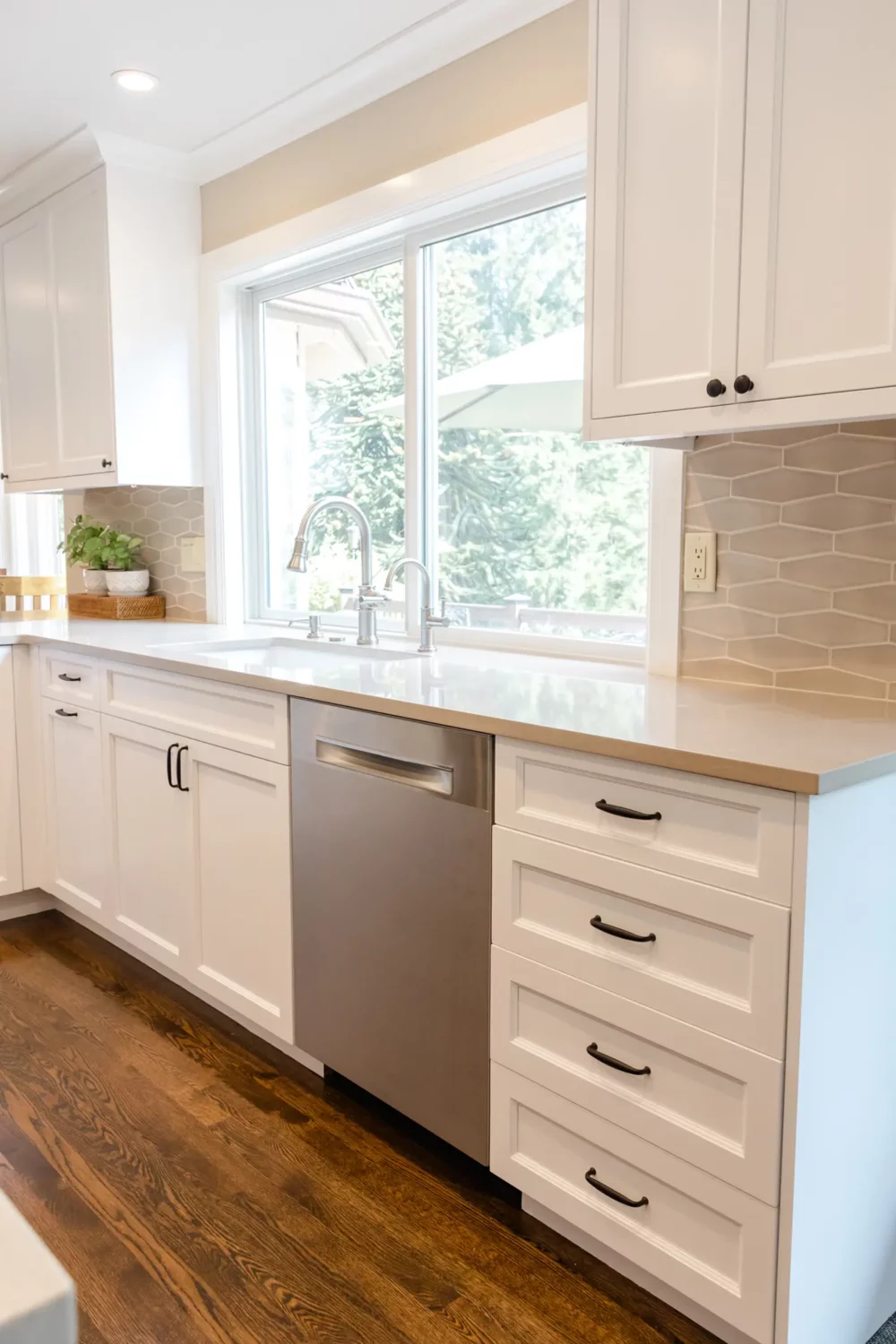
Our Approach to Identifying Quality Kitchen Features
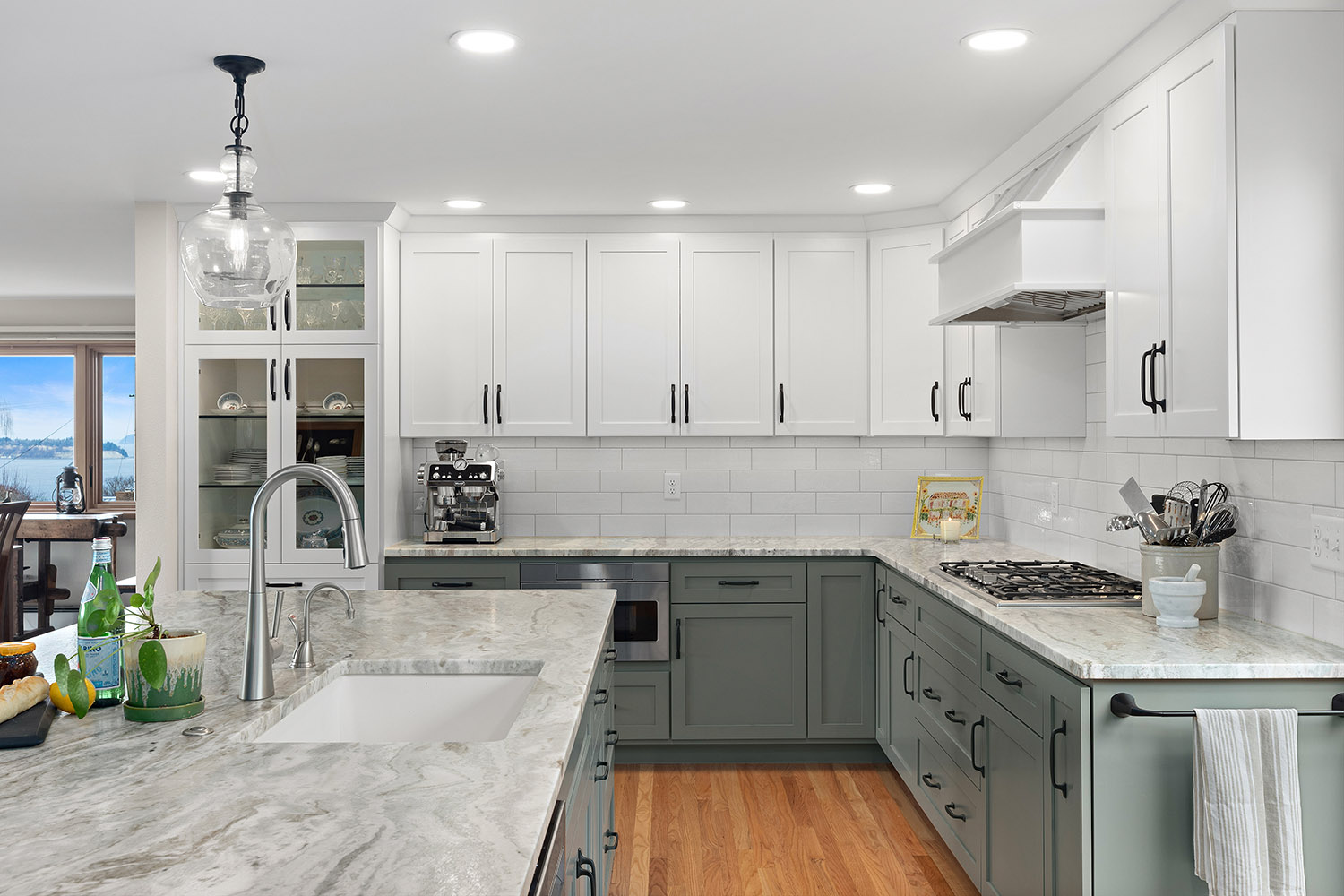
Real-Life Pacific NW Kitchen Transformations to Inspire Your Remodel